The concept of flow state, often described as being "in the zone," refers to a mental state where individuals experience complete immersion and focus in an activity. This phenomenon was first popularized by psychologist Mihaly Csikszentmihalyi in the 1970s, who characterized it as a state of heightened concentration and enjoyment that occurs when a person is fully engaged in a task that challenges their skills. Flow is not merely about being productive; it is an experience marked by a sense of timelessness, where hours can pass in what feels like mere minutes.
This state is often associated with activities that require skill and creativity, such as art, music, sports, and even work-related tasks. Achieving flow requires a delicate balance between the challenge of the task at hand and the individual's skill level. If the task is too easy, boredom ensues; if it is too difficult, anxiety can take over.
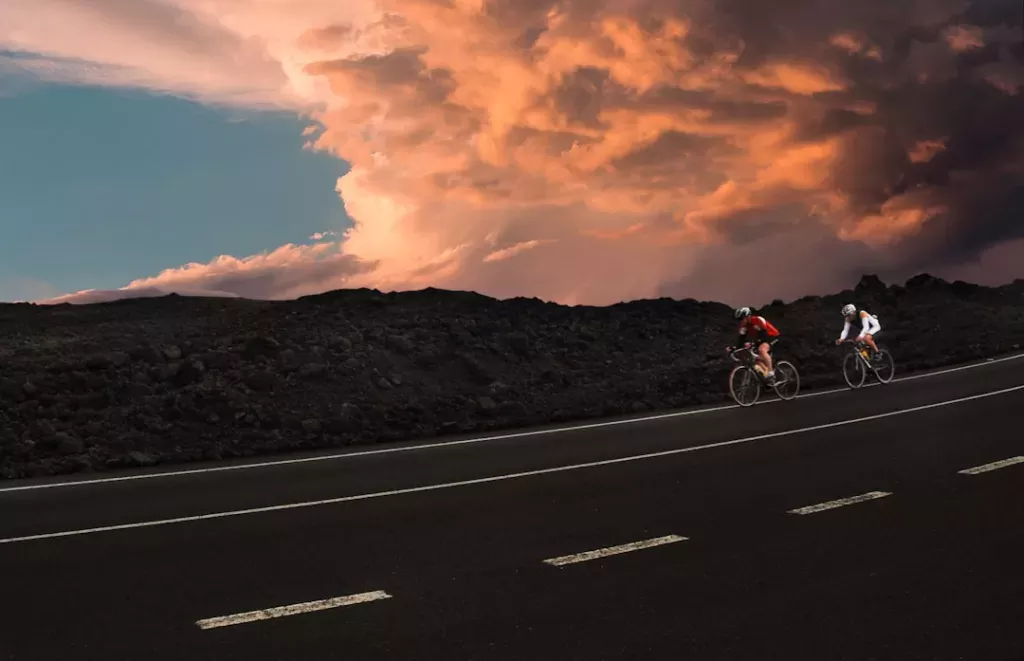
The sweet spot lies in finding activities that push one's limits while still being attainable. In cycling, for instance, a rider may find flow while navigating a challenging trail or racing against the clock, where the physical demands align perfectly with their capabilities. This alignment fosters an environment conducive to flow, allowing cyclists to experience not just physical exertion but also profound mental clarity and satisfaction.
Key Takeaways
- Flow state is a mental state of complete immersion and focus in an activity, leading to a feeling of energized focus, full involvement, and enjoyment in the process of the activity.
- The brain plays a crucial role in achieving flow state, with the prefrontal cortex quieting down and the brain's reward system becoming more active.
- Cycling is an ideal activity for achieving flow state due to its repetitive nature, the need for concentration, and the potential for a sense of freedom and exhilaration.
- Neurochemicals such as dopamine, norepinephrine, endorphins, and anandamide play a key role in facilitating flow state and enhancing performance.
- Flow state can lead to improved performance, increased creativity, and a sense of fulfillment, as well as reduced anxiety and stress, making it beneficial for mental health.
The Role of the Brain in Flow State
The brain plays a pivotal role in facilitating the flow state, engaging various neural networks that contribute to heightened focus and creativity. When an individual enters flow, there is a notable shift in brain activity. Research using neuroimaging techniques has shown that certain areas of the brain become more active while others quiet down.
For instance, the prefrontal cortex, responsible for self-reflection and critical thinking, tends to deactivate during flow. This reduction in self-awareness allows individuals to become fully absorbed in their activity without the interference of self-doubt or overthinking. Moreover, the brain's reward system is significantly engaged during flow experiences.
The release of neurotransmitters such as dopamine and endorphins not only enhances feelings of pleasure but also reinforces the desire to engage in the activity again. This biochemical response creates a positive feedback loop, encouraging individuals to seek out experiences that induce flow. In cycling, this might manifest as a cyclist feeling an exhilarating rush while descending a steep hill or achieving a personal best time, prompting them to pursue similar challenges in the future.
Flow State and Cycling: A Perfect Match

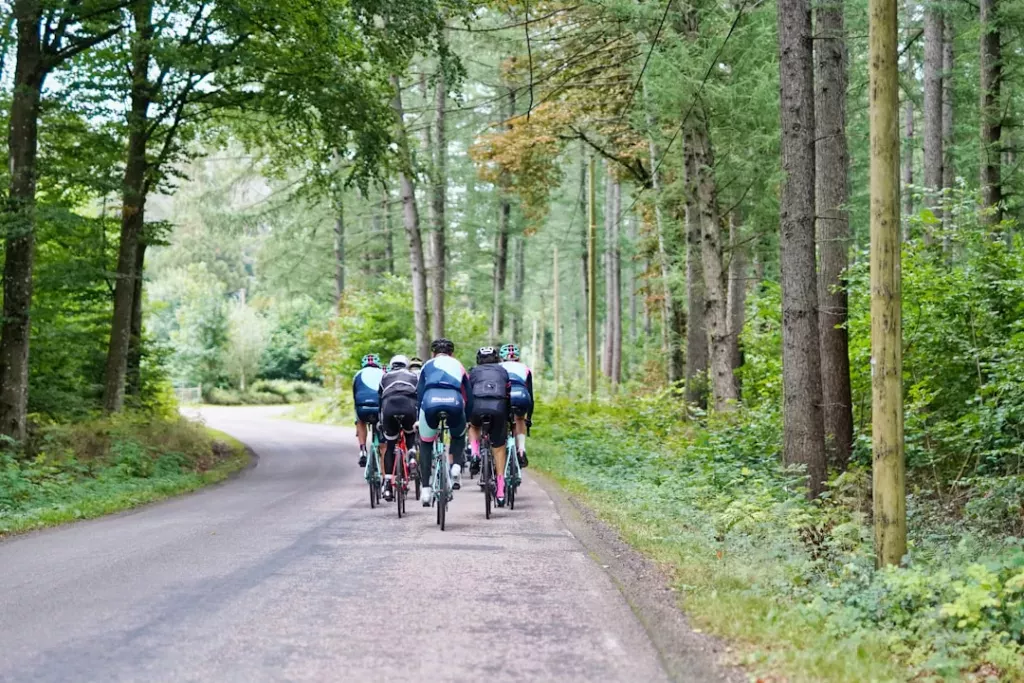
Cycling is uniquely positioned to facilitate flow states due to its combination of physical exertion, skill application, and environmental engagement. The rhythmic nature of pedaling can create a meditative quality that allows cyclists to lose themselves in the moment. As they navigate through varying terrains—be it smooth roads or rugged trails—their focus sharpens, and distractions fade away.
This immersive experience is often enhanced by the natural surroundings, which can evoke feelings of awe and connection to nature, further deepening the flow state. Additionally, cycling offers numerous opportunities for challenge and skill development. Whether it's tackling steep climbs, mastering technical descents, or competing in races, cyclists are constantly presented with tasks that require concentration and skill refinement.
The dynamic nature of cycling means that no two rides are ever the same; each journey presents new obstacles and experiences that can lead to flow. For many cyclists, these moments of flow not only enhance their performance but also contribute to a profound sense of joy and fulfillment.
The Neurochemicals Behind Flow State
The experience of flow is intricately linked to a cocktail of neurochemicals that influence mood, motivation, and cognitive function. One of the primary players in this biochemical symphony is dopamine, often referred to as the "feel-good" neurotransmitter. When individuals engage in activities that challenge them and lead to flow, dopamine levels rise, enhancing feelings of pleasure and satisfaction.
This surge not only makes the experience enjoyable but also reinforces the desire to repeat it. Endorphins also play a crucial role in the flow state. These natural painkillers are released during physical exertion and contribute to feelings of euphoria often described by athletes as a "runner's high." In cycling, this can manifest during long rides or intense intervals when cyclists push their limits.
Additionally, norepinephrine—a neurotransmitter associated with arousal and alertness—helps sharpen focus and attention during flow experiences. Together, these neurochemicals create an optimal environment for performance enhancement and emotional well-being.
How Flow State Affects Performance
The impact of flow on performance is profound and multifaceted. When individuals achieve flow, they often experience heightened levels of creativity, productivity, and efficiency. In sports like cycling, this translates into improved speed, endurance, and overall performance metrics.
Cyclists who enter flow may find themselves riding faster than usual or tackling challenging routes with greater ease due to their heightened focus and reduced self-doubt. Moreover, flow can lead to enhanced decision-making abilities during high-pressure situations. Cyclists often face split-second choices regarding speed, direction, and technique; being in a flow state allows them to process information more quickly and respond effectively.
This cognitive advantage can be particularly beneficial during competitive events where every second counts. The ability to remain calm under pressure while maintaining peak performance is one of the hallmarks of athletes who frequently experience flow.
Flow State and Mental Health Benefits
Beyond its performance-enhancing effects, achieving flow has significant implications for mental health and well-being. Engaging in activities that induce flow can serve as a powerful antidote to stress and anxiety. The immersive nature of flow allows individuals to escape from daily worries and immerse themselves fully in the present moment.
This mindfulness aspect can lead to reduced levels of cortisol—the stress hormone—and promote overall emotional resilience. Cycling, in particular, has been shown to have therapeutic benefits for mental health. The combination of physical activity, exposure to nature, and the potential for social interaction creates a holistic approach to well-being.
Cyclists often report feelings of happiness and fulfillment after rides that induce flow, contributing to improved mood and reduced symptoms of depression. Furthermore, regular engagement in activities that promote flow can foster a sense of purpose and accomplishment, enhancing overall life satisfaction.
Training the Brain for Flow State
While achieving flow may seem like an elusive experience reserved for certain activities or individuals, there are strategies that can help train the brain to enter this state more readily. One effective approach is setting clear goals that challenge one's skills without overwhelming them. By breaking down larger tasks into manageable objectives, individuals can create a pathway toward flow experiences.
For cyclists, this might involve setting specific performance targets for each ride or focusing on mastering particular techniques. Another key element in training for flow is cultivating mindfulness through practices such as meditation or focused breathing exercises. These techniques help individuals develop greater awareness of their thoughts and emotions, allowing them to recognize when they are becoming distracted or anxious during an activity.
By practicing mindfulness regularly, cyclists can enhance their ability to remain present during rides, increasing their chances of entering flow states.
Tips for Achieving Flow State While Cycling
To maximize the potential for experiencing flow while cycling, several practical tips can be employed. First and foremost is ensuring that the riding environment is conducive to focus; this may involve choosing routes with minimal distractions or noise pollution. Cyclists should also consider their physical condition—adequate rest, nutrition, and hydration are essential for optimal performance and mental clarity.
Establishing a pre-ride routine can also help set the stage for flow. This might include warming up properly or engaging in visualization techniques where cyclists mentally rehearse their ride goals and visualize themselves achieving them successfully. Additionally, embracing challenges—whether through interval training or exploring new trails—can stimulate growth and increase the likelihood of entering flow.
Finally, fostering a positive mindset is crucial for achieving flow states while cycling. Encouraging self-talk and reframing negative thoughts can help cyclists maintain motivation and confidence during rides. By focusing on enjoyment rather than solely on performance metrics, cyclists can create an environment where flow becomes more accessible.
In summary, understanding the intricacies of flow state reveals its profound impact on both performance and mental well-being—especially within the context of cycling.
In exploring the fascinating topic of "The Neuroscience of Flow State While Cycling," it's beneficial to consider related discussions that delve into the psychological and physiological aspects of achieving flow. An insightful article that complements this subject can be found on Tayuta-U's website. This piece provides a broader understanding of how flow states can be achieved in various activities, not just cycling. For more information, you can read the related article on their sample page. This resource offers valuable insights into the conditions and mental states conducive to experiencing flow, enhancing your comprehension of this intriguing phenomenon.
FAQs
What is flow state?
Flow state, also known as being "in the zone," is a mental state in which a person is fully immersed in an activity, feeling energized, focused, and fully involved in the present moment. It is often described as a state of effortless concentration and enjoyment.
What is the neuroscience of flow state?
The neuroscience of flow state involves the study of brain activity and neurochemicals that are associated with the experience of flow. Research has shown that during flow state, the brain experiences a decrease in activity in the prefrontal cortex, which is responsible for self-awareness and critical thinking, and an increase in activity in the areas of the brain associated with pleasure, motivation, and focused attention.
How does cycling induce flow state?
Cycling can induce flow state through a combination of factors, including the rhythmic movement of pedaling, the sensory input from the environment, the physical exertion, and the mental focus required to navigate the terrain. These factors can lead to a state of heightened concentration, a sense of control, and a feeling of being fully engaged in the present moment.
What are the benefits of experiencing flow state while cycling?
Experiencing flow state while cycling can lead to improved performance, increased enjoyment of the activity, and a sense of fulfillment. It can also have positive effects on mental well-being, including reduced stress and anxiety, increased self-confidence, and a greater sense of overall well-being.
Can anyone experience flow state while cycling?
Flow state is a universal human experience, and anyone has the potential to experience it while cycling or engaging in other activities. However, the likelihood of entering flow state may be influenced by factors such as skill level, familiarity with the activity, and the individual's ability to focus and maintain a state of relaxed concentration.