
Wildlife behavior is a complex interplay of instinct, environmental factors, and social interactions. To effectively navigate areas where wildlife is present, it is crucial to understand the basic behaviors exhibited by different species. For instance, many animals are crepuscular, meaning they are most active during dawn and dusk.
This behavior can significantly influence when cyclists might encounter wildlife on their routes. Deer, for example, are known to be particularly active during these hours, which increases the likelihood of unexpected encounters on rural roads or trails. Understanding these patterns can help cyclists plan their rides to minimize the risk of collisions.
Moreover, animals often exhibit specific behaviors in response to perceived threats. For example, a startled deer may freeze in place or bolt into the road, while a bear might stand on its hind legs to assess a situation before deciding to flee or confront. Recognizing these behaviors can be vital for cyclists who find themselves in close proximity to wildlife.
By being aware of how animals typically react to human presence, cyclists can take proactive measures to avoid startling them and potentially causing dangerous situations. This knowledge not only enhances personal safety but also promotes a more respectful coexistence with wildlife.
Key Takeaways
- Wildlife behavior can be unpredictable, so it's important to understand their habits and tendencies to stay safe while cycling.
- Choose cycling routes that are less likely to intersect with wildlife habitats to minimize the risk of encounters.
- Essential safety gear such as helmets, reflective clothing, and lights are crucial for cycling, especially in areas with potential wildlife encounters.
- When riding in groups, communicate effectively and stay together to increase visibility and safety for everyone.
- Being alert and aware of your surroundings is key to spotting wildlife and potential hazards while cycling.
Choosing the Right Cycling Routes
Selecting appropriate cycling routes is essential for both safety and enjoyment, especially in areas where wildlife is prevalent. Cyclists should consider trails and roads that are less frequented by vehicles and have a lower likelihood of wildlife encounters.
For instance, dedicated bike paths that run through parks or nature reserves may offer scenic views while minimizing the risk of collisions with both wildlife and motor vehicles.
Additionally, routes that are well-maintained and have clear signage can help cyclists navigate safely through areas where animals might be present. When planning a cycling route, it is also beneficial to research local wildlife populations and their habitats. Certain areas may be known for high concentrations of specific species during particular seasons.
For example, coastal routes may see an influx of migratory birds in the spring and fall, while mountainous trails could be home to bears during the summer months. By understanding these seasonal patterns, cyclists can choose routes that either avoid high-risk areas or allow them to experience wildlife in a safe and controlled manner. This strategic planning not only enhances the cycling experience but also fosters a greater appreciation for the natural world.
Essential Safety Gear
Equipping oneself with the right safety gear is paramount for any cyclist, particularly when riding in areas where wildlife may be encountered. A well-fitted helmet is non-negotiable; it protects against head injuries in case of falls or collisions. Beyond helmets, reflective clothing and lights are essential for visibility, especially during low-light conditions when wildlife is more active.
Bright colors can help cyclists stand out against natural backdrops, making it easier for both motorists and animals to see them. In addition to standard cycling gear, specialized equipment can enhance safety in wildlife-rich environments. For instance, bear spray is a recommended item for cyclists traversing areas known for bear activity.
This non-lethal deterrent can provide an added layer of security should an unexpected encounter occur. Furthermore, carrying a first-aid kit equipped with supplies for treating minor injuries can be invaluable in remote areas where immediate medical assistance may not be readily available. By investing in appropriate safety gear, cyclists can significantly reduce their risk while enjoying the beauty of nature.
Riding in Groups
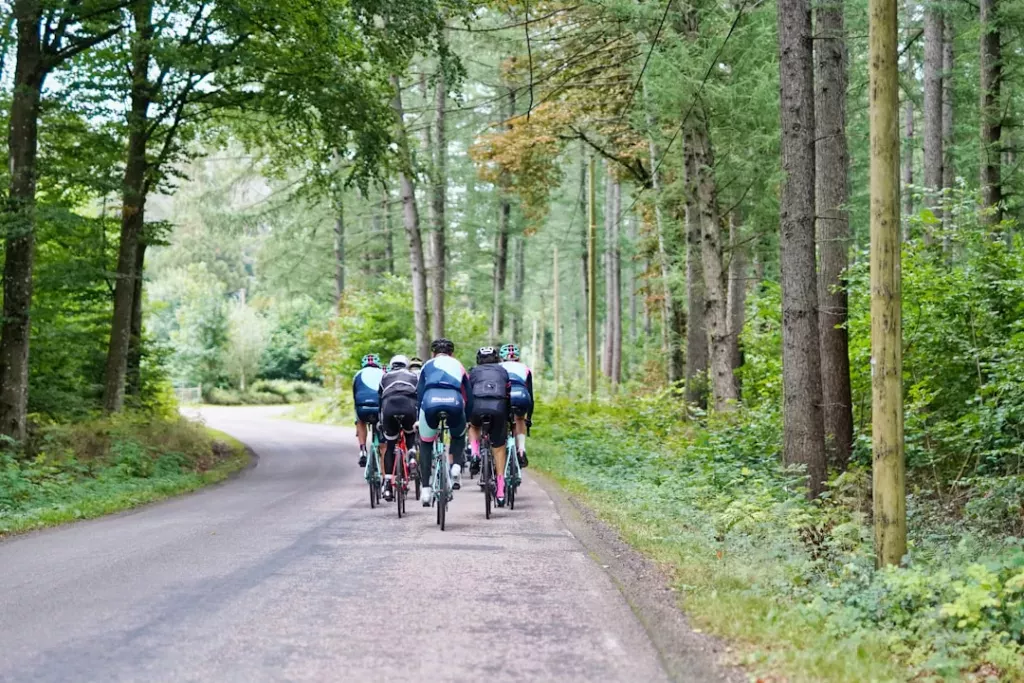
Cycling in groups can enhance safety and enjoyment while navigating areas with potential wildlife encounters. There is strength in numbers; larger groups are often more visible to both motorists and animals, reducing the likelihood of accidents. Additionally, riding together fosters a sense of camaraderie and shared experience, allowing participants to discuss their observations and insights about the local environment.
This collective knowledge can be particularly beneficial when it comes to understanding wildlife behavior and identifying safe practices. Group rides also provide an opportunity for shared vigilance. When cyclists ride together, they can keep an eye out for each other as well as for any wildlife that may cross their paths.
This heightened awareness can lead to quicker reactions in case of an encounter, allowing the group to respond appropriately and safely.
Moreover, group dynamics can encourage less experienced riders to feel more confident in their abilities, as they benefit from the support and guidance of seasoned cyclists.
Ultimately, riding in groups not only enhances safety but also enriches the overall cycling experience.
Being Alert and Aware
Maintaining a high level of alertness while cycling is crucial for ensuring safety in environments where wildlife may be present. Cyclists should cultivate an awareness of their surroundings, paying attention to both visual cues and sounds that may indicate nearby animals. For instance, rustling bushes or sudden movements at the edge of a trail could signal the presence of wildlife.
By staying vigilant and avoiding distractions such as headphones or mobile devices, cyclists can better anticipate potential encounters. Additionally, understanding the signs of animal activity can further enhance awareness. Tracks, scat, and feeding signs can provide valuable information about which species inhabit an area and when they are most likely to be active.
Cyclists who take the time to familiarize themselves with these indicators will be better equipped to navigate their routes safely. Furthermore, being aware of one’s own speed and riding style is essential; sudden movements or loud noises can startle wildlife and lead to unpredictable behavior. By remaining calm and composed while riding, cyclists can minimize their impact on local fauna.
Respecting Wildlife Habitat

Sticking to Marked Trails: A Win-Win for Cyclists and the Environment
By sticking to marked trails, cyclists not only protect the environment but also enhance their own safety by avoiding potentially hazardous terrain.
Understanding Seasonal Restrictions: A Critical Aspect of Wildlife Protection
Moreover, understanding the importance of seasonal restrictions is vital for protecting wildlife during critical times such as breeding or nesting seasons. Many parks and natural reserves implement temporary closures or restrictions on certain trails during these periods to safeguard vulnerable species.
Fostering a Culture of Respect for Natural Habitats
Cyclists should respect these regulations and plan their rides accordingly, recognizing that their actions have consequences for local wildlife populations. By fostering a culture of respect for natural habitats, cyclists contribute to the preservation of biodiversity and the overall health of ecosystems.
Dealing with Encounters
Despite careful planning and awareness, encounters with wildlife can still occur unexpectedly while cycling. In such situations, knowing how to react appropriately is crucial for ensuring personal safety as well as the well-being of the animal involved. The first step is to remain calm; sudden movements or loud noises can provoke defensive behaviors in animals.
Instead of panicking or attempting to flee, cyclists should assess the situation from a safe distance. For larger animals like bears or moose, it is advisable to slowly back away while keeping an eye on the animal without making direct eye contact, which could be perceived as a threat. In contrast, smaller animals such as raccoons or foxes may simply scurry away if given space.
If an animal approaches too closely or displays aggressive behavior, using bear spray or making loud noises can help deter it without causing harm. Understanding these strategies can empower cyclists to handle encounters with confidence while prioritizing safety for both themselves and the wildlife.
Seeking Professional Help
In some cases, dealing with wildlife encounters or navigating challenging situations may require professional assistance. Wildlife experts or park rangers are invaluable resources for cyclists seeking guidance on safe practices in areas with abundant fauna. These professionals possess extensive knowledge about local species, their behaviors, and how best to interact with them safely.
Engaging with these experts can provide cyclists with insights that enhance their understanding of wildlife dynamics. Additionally, if a cyclist experiences a particularly distressing encounter or feels unsafe due to aggressive wildlife behavior, seeking help from local authorities or wildlife management agencies is essential. These organizations are equipped to handle situations involving potentially dangerous animals and can provide support in managing encounters effectively.
By recognizing when professional help is needed and being proactive in seeking it out, cyclists can ensure their safety while fostering a respectful relationship with the natural world around them.
If you're looking for more tips on staying safe while enjoying the great outdoors, check out the article "10 Essential Safety Tips for Hiking in the Wilderness" on tayuta-u.com. This article provides valuable advice on how to prepare for and handle potential dangers while hiking in nature, ensuring a safe and enjoyable experience for all outdoor enthusiasts.
FAQs
What are some general safety tips for encountering wildlife while cycling in nature?
- Always be aware of your surroundings and keep an eye out for any signs of wildlife.
- Make noise while cycling to alert animals of your presence and give them a chance to move away.
- Do not approach or attempt to feed any wild animals.
- Keep a safe distance from wildlife and never try to take a selfie or get too close for a photo.
- If you encounter a wild animal, remain calm and slowly back away without turning your back on the animal.
What should I do if I encounter a bear while cycling in nature?
- If you encounter a bear, do not make sudden movements or loud noises.
- Back away slowly while facing the bear and try to make yourself look bigger by raising your arms.
- If the bear approaches you, make loud noises and try to scare it away.
- Do not run from a bear, as this may trigger its predatory instincts.
How can I avoid encounters with dangerous wildlife while cycling in nature?
- Research the area you will be cycling in and be aware of the types of wildlife that inhabit the area.
- Stick to designated trails and avoid cycling in areas known to have high concentrations of dangerous wildlife.
- Consider cycling in groups, as larger groups are less likely to be approached by wildlife.
- Carry bear spray or other deterrents if you are cycling in an area known to have bear or cougar populations.
What should I do if I encounter a snake while cycling in nature?
- If you encounter a snake, give it plenty of space and do not attempt to touch or handle it.
- Slowly back away from the snake and give it the opportunity to move away on its own.
- Be cautious when stepping off your bike or reaching into bushes or tall grass, as snakes may be hiding in these areas.
- If you are bitten by a snake, seek medical attention immediately.